How to choose a roofer near you
Written by a roofing firm, so take it with a pinch of salt. But these are the checks we would want our own family to make before letting anyone on their roof.
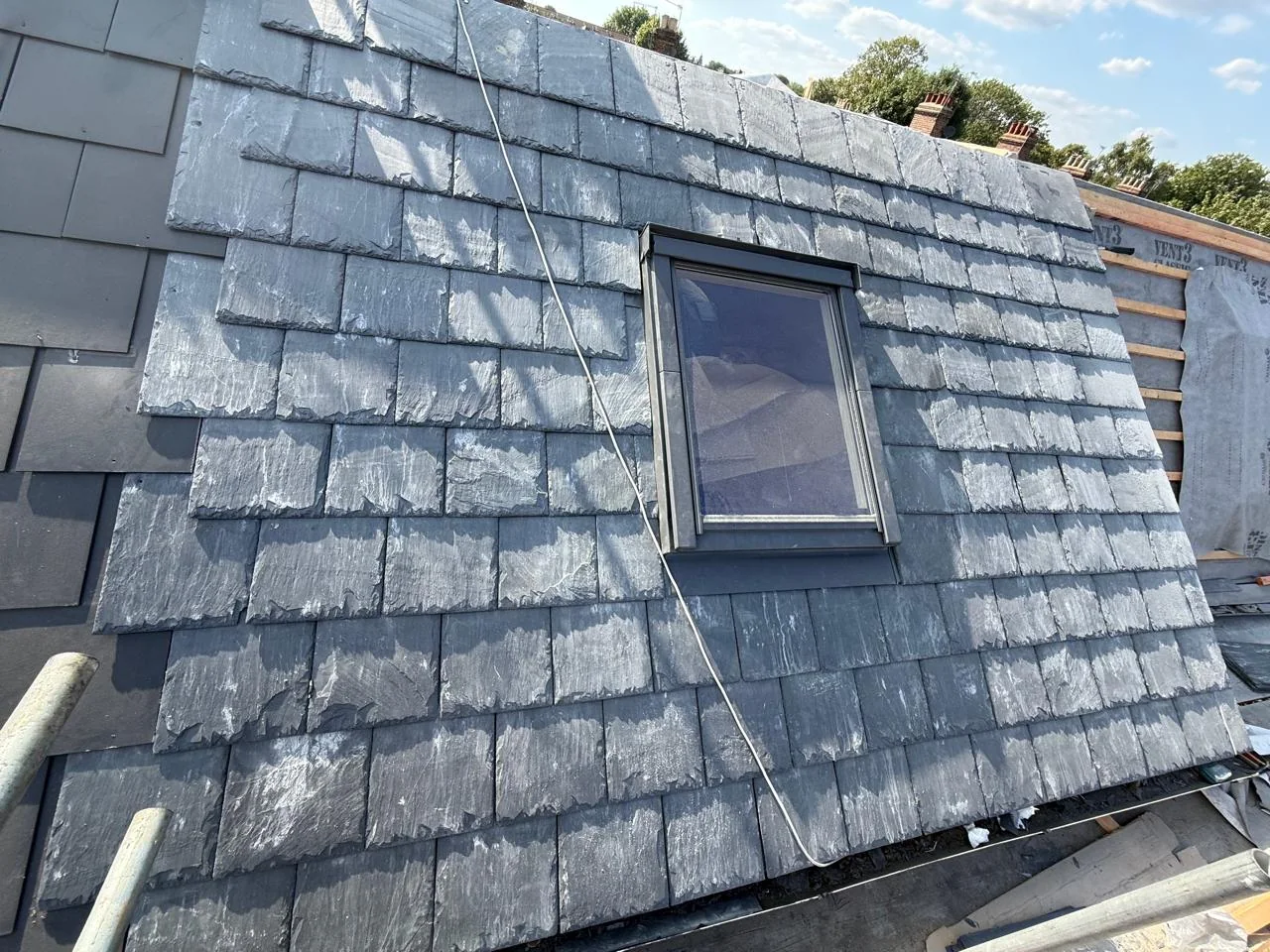
Search "roofers near me" and you get dozens of names, most of them claiming to be the best, the most trusted or the cheapest. None of that tells you much. What does help is a handful of boring checks that take ten minutes and weed out most of the people you do not want.
Find out who you are actually dealing with
You want a trading name, a landline or mobile that someone answers, an email, and an address you could post a letter to. Check they match across the website, the quote and anywhere else the firm is listed.
If they are a limited company, look them up on Companies House. It is free and takes a minute. If they say they are insured or a member of a trade body, ask for the details and check with the insurer or the body directly. A logo on a van or a website proves nothing.
For what it is worth, we are at 43 Hudson Road, Hayes, UB3 5EL, on 07584 213 770 and rhroofingandrenovation@gmail.com. Same details everywhere.
Ask to see their own work
One glossy photo of a finished roof tells you very little. Anyone can find a nice picture. What is more useful is a job photographed as it went along: the old roof, the stripped deck, the membrane and battens, the tricky bits round chimneys and windows, then the finish.
Ask whether the photos are theirs, and whether the work is like yours. A firm that mostly does flat roofs is not automatically the right choice for a slate re-roof, and the other way round.
Be a bit wary of firms with a "local office" in every town. Plenty of good roofers cover a wide area from one base. They just should not pretend otherwise. You can see one of our jobs, all fourteen photos, on our Our Work page.
Compare what is in the quote, not just the total
Three quotes for the same roof can be thousands apart. Usually that is because they are not quoting for the same job. Ask each one to put it in writing and to cover:
- What gets stripped off and taken away
- What goes back on: tiles or slate, membrane, battens, lead, trims
- How they will deal with the chimney, valleys, walls and any roof windows
- Whether scaffolding, skips and protecting your garden are included
- What happens, and what it costs, if they find rotten timber once the old roof is off
- When you pay, and how much
The cheapest quote is often cheapest because it leaves things out. Equally, if one roofer says you need a whole new roof and two others say a repair will do, ask the first one to show you why.
Questions worth asking
A decent roofer will answer these without getting cagey:
- Where do you think the water is getting in, and why?
- What else did you check while you were up there?
- Why this fix and not something cheaper or more thorough?
- What could change the price once you start?
It is fine for them to say they cannot be sure until the tiles are off. It is not fine for them to be vague about everything. On a flat roof, ask about the deck underneath, the falls and where it meets the wall. On a leak, remember the stain inside is often not right under the hole.
Red flags
- Knocking on your door saying they "noticed a problem" with your roof
- Pressure to decide today, or a price that only lasts until tomorrow
- Wanting all or most of the money before starting
- Refusing to put anything in writing
- The job suddenly getting much bigger once they are up the ladder
The government has guidance on using trader recommendation sites, which is worth a read. In short: find out what the site has actually checked, treat reviews with some care, and compare more than one trader.
Making the call
Go with the roofer who can prove who they are, has done work like yours, explained the problem in a way that made sense, and gave you a clear written price. Keep the quote and any emails. If anything changes, get it in writing.
None of this guarantees a perfect job, but it makes it much harder for a cowboy to get through. If you would like us to take a look, find your area on our areas page or just send us a message.
Want us to look at your roof?
Ring us to talk it through, or send a quote request with a photo and your postcode.